
Advanced Microscope 'Curie' May Unlock Treatment for Inflammatory Bowel Disease
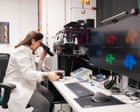
Groundbreaking Technology Offers New Hope for Inflammatory Bowel Disease
Scientists are optimistic that a revolutionary microscope technology will help identify the underlying mechanisms of inflammatory bowel disease and facilitate the development of innovative treatment approaches. The sophisticated instrument, known as 'Curie,' represents a significant advancement in medical research capabilities, operating at a magnification level ten times greater than traditional microscopy methods, potentially unlocking discoveries that could transform patient outcomes.
The prevalence of debilitating and incurable bowel conditions among younger populations is increasing at an alarming rate globally. According to data from the British Society of Gastroenterology, over half a million individuals throughout the United Kingdom are currently managing inflammatory bowel disease, which encompasses Crohn's disease and ulcerative colitis as its two predominant manifestations. This escalating health crisis has prompted the medical research community to invest in cutting-edge diagnostic and analytical technologies.
Understanding the Scale of Inflammatory Bowel Disease
Inflammatory bowel disease represents a significant public health challenge, characterized by chronic inflammation of the gastrointestinal tract. The two primary forms of this condition—Crohn's disease and ulcerative colitis—present distinct clinical presentations and progression patterns, though both substantially impact quality of life. Individuals diagnosed with inflammatory bowel disease often experience severe abdominal pain, chronic diarrhea, weight loss, and fatigue, which can severely limit daily functioning and professional productivity.
The rising incidence of inflammatory bowel disease among young adults has created an urgent need for improved diagnostic methods and therapeutic interventions. Traditional microscopy techniques have provided limited insight into the cellular and molecular mechanisms driving disease progression, thereby constraining researchers' ability to develop targeted treatments.
The Curie Microscope: A Revolutionary Diagnostic Tool
The Curie microscope represents a paradigm shift in medical imaging technology, delivering unprecedented resolution and clarity compared to conventional microscopy systems. Operating at ten times the magnification capability of standard equipment, this advanced instrument enables researchers to visualize cellular structures and biological processes at previously unattainable detail levels. This enhanced visualization capacity promises to reveal intricate pathological mechanisms that have remained hidden from scientific observation until now.
The development of such high-resolution imaging technology reflects years of interdisciplinary collaboration between physicists, engineers, and medical specialists. The Curie microscope's superior performance could facilitate the identification of biomarkers associated with inflammatory bowel disease progression, enabling earlier intervention and personalized treatment strategies.
Potential Impact on Treatment Development
Researchers anticipate that the capabilities of the Curie microscope will accelerate discovery processes leading to novel therapeutic approaches for inflammatory bowel disease patients. By providing detailed visualization of intestinal tissue at the cellular level, the technology may reveal previously unknown aspects of disease pathogenesis. This fundamental knowledge could inform the development of targeted pharmaceuticals or biological interventions designed to address specific cellular abnormalities characteristic of Crohn's disease and ulcerative colitis.
The medical community views this technological advancement as potentially transformative for patients currently managing inflammatory bowel disease without curative options. Enhanced understanding of disease mechanisms at the microscopic level may ultimately lead to treatment strategies that not only manage symptoms but potentially reverse or prevent disease progression altogether.
Broader Implications for Gastrointestinal Research
Beyond its specific application to inflammatory bowel disease, the Curie microscope's exceptional resolution capabilities could benefit research across multiple gastrointestinal pathologies. Other chronic intestinal conditions, infectious diseases affecting the digestive system, and even cancer research may benefit from this advanced imaging technology. The instrument represents an investment in fundamental research infrastructure that could yield benefits across numerous medical specialties for decades to come.
As the scientific community continues to prioritize understanding and treating inflammatory bowel disease, innovations like the Curie microscope demonstrate the commitment to developing solutions for the millions of individuals affected worldwide. The convergence of advanced technology and focused medical research offers renewed hope for patients and healthcare providers seeking effective management strategies for these challenging conditions.