
Andy Burnham Positioned to Assume Leadership After Starmer Steps Down
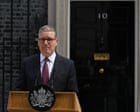
Burnham's Path to Leadership Clears Following Starmer's Decision
Andy Burnham stands poised to become the next UK prime minister as Keir Starmer formally announced his resignation from the post following mounting pressure from within Labour ranks. The former Manchester mayor appears virtually unopposed in the succession race, marking a significant turning point in British politics. Starmer's departure represents a watershed moment for the governing party, which has faced considerable internal turbulence and electoral challenges in recent months.
The dramatic sequence of events at Westminster unfolded as Starmer acknowledged that circumstances had fundamentally shifted, making it clear he could no longer effectively lead the nation. His decision to establish a formal departure timeline brings clarity to a period of substantial uncertainty, during which numerous Labour MPs and senior cabinet figures expressed serious concerns about the government's direction and electoral viability heading into the next general election.
Structured Transition and Policy Framework
Burnham has strategically planned his introduction to the role, preparing a series of comprehensive policy speeches beginning next week. His inaugural addresses will focus on two critical domains: economic policy and devolution arrangements, signalling a deliberate repositioning from the outgoing administration's approach. This carefully choreographed rollout demonstrates Burnham's intent to establish clear differentiation while maintaining governmental continuity during the transition period.
The incoming prime minister is actively considering significant cabinet appointments designed to reshape policy direction. Among his contemplated moves is recruiting Ed Miliband to serve as chancellor of the exchequer, a selection intended to challenge conventional Treasury thinking and orthodoxy. However, Burnham has not yet finalised this consequential decision, remaining mindful of potential adverse reactions from both business interests and organised labour, though sources suggest he may ultimately embrace making this argument publicly.
Cabinet Composition and Ministerial Appointments
Current Home Secretary Shabana Mahmood is widely anticipated to retain her position under Burnham's administration. Burnham had previously commended Mahmood's performance, specifically praising her forthright engagement with immigration matters during recent campaign activities. This continuity indicates Burnham's confidence in her stewardship of the Home Office portfolio.
Wes Streeting represents another figure under consideration for a prominent cabinet role. Despite Streeting's claims regarding numerical support for a leadership run, campaign sources have disputed these assertions while emphasising that he brought no significant leverage to discussions. Some observers have advocated positioning Streeting as chancellor to provide reassurance to financial markets and international investors, though this remains speculative at present.
Potential Challengers and Succession Dynamics
Despite Burnham's commanding position, Starmer's remaining supporters continue exploring whether a credible alternative candidate might emerge to contest the leadership. The viability of such challenges hinges partly on whether Miliband ultimately assumes the chancellorship. Darren Jones has been mentioned as a theoretical possibility, though sources indicated he was not actively organising a leadership campaign while simultaneously stopping short of definitively ruling out his involvement.
The succession process reflects the broader upheaval within Labour, where mounting dissatisfaction with Starmer's leadership accumulated steadily over preceding months. Multiple factors contributed to this discontent, including electoral vulnerabilities presented by Reform UK's rising prominence and fundamental disagreements regarding governmental priorities and policy direction among cabinet-level officials and backbench MPs alike.
Electoral and Political Context
The transition occurs against a backdrop of significant political uncertainty, with Reform UK emerging as a credible electoral challenger that has particularly concerned Labour strategists. The next general election has assumed heightened importance in party calculations, with many Labour figures believing that leadership change offers essential opportunity to recalibrate electoral appeal and party messaging.
Burnham's emergence as Starmer's successor represents consolidation of support across multiple Labour factions, suggesting broad party consensus regarding the necessity for change. The apparent absence of serious organised opposition to his accession indicates the depth of party desire for transition and the recognition that Burnham commands sufficient backing across divergent internal constituencies to govern effectively during a period requiring substantial policy recalibration and electoral recovery efforts.