
Artificial Ice Pyramids Protect Indian Mountain Crops
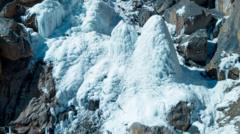
Mountain Communities Turn to Artificial Ice Innovation
Artificial ice pyramids have emerged as a transformative solution for Himalayan villages facing critical water shortages during crucial growing seasons. These innovative structures, strategically constructed across India's mountain regions, capture and preserve water resources to guarantee essential irrigation supplies for spring crop cultivation. By harnessing traditional knowledge combined with modern engineering principles, rural communities have developed a sustainable approach to combat the increasing unpredictability of natural glacier flows.
How Artificial Ice Pyramids Function
The construction of artificial ice pyramids represents a clever adaptation to mountain geography and climate patterns. These cone-shaped formations are engineered to accumulate winter moisture and freeze it into massive ice reserves that persist through warmer months. Villagers strategically position these structures in shaded areas where natural sunlight exposure remains minimal, allowing the ice to remain frozen longer into the spring season when agricultural demand peaks. The pyramids work by channeling cold air and water runoff into concentrated zones, enabling rapid freezing and solid accumulation of water reserves.
Traditional Engineering Meets Modern Challenges
The implementation of artificial ice pyramids draws inspiration from centuries-old glacial behavior observed by mountain inhabitants. Contemporary versions incorporate improved construction techniques that maximize water retention while minimizing waste. Engineers work alongside local farmers to identify optimal locations based on topography, altitude, and seasonal weather patterns. This collaborative approach ensures that each artificial ice pyramid installation serves the specific agricultural needs of individual villages and their surrounding cultivated areas.
Impact on Spring Water Availability
The artificial ice pyramids directly address a critical agricultural challenge across India's Himalayan foothills. Traditionally, farming communities depended entirely on natural glacier melt to irrigate spring crops including barley, peas, and potatoes. However, shifting climate patterns and accelerating glacier retreat have made this natural water source increasingly unreliable. By establishing artificial ice pyramid systems, villages have secured backup water supplies that bridge the gap between winter precipitation and the arrival of monsoon rains.
Measurable Results for Farming Communities
Villages implementing artificial ice pyramid technology have documented significant improvements in crop yields and agricultural stability. Water availability during critical growing periods has increased substantially, allowing farmers to expand cultivation beyond traditionally irrigated plots. Spring harvests have become more predictable, providing economic security for families dependent on mountain agriculture. The reserve water supplies accumulated in artificial ice pyramids have also improved household water security for drinking and livestock purposes during dry seasons.
Sustainability and Environmental Benefits
The adoption of artificial ice pyramids represents an environmentally conscious response to water scarcity challenges. Unlike energy-intensive water management systems, these structures require minimal external inputs and operate within natural freezing and melting cycles. The technology reduces pressure on remaining natural glaciers by decreasing excessive exploitation of fragile mountain water sources. Additionally, artificial ice pyramid systems help stabilize local water tables and maintain consistent moisture levels in surrounding soil, benefiting broader ecosystem health throughout mountain regions.
Challenges and Future Development
Despite their effectiveness, artificial ice pyramid systems face ongoing challenges related to maintenance, structural durability, and climate variability. Extended warm periods threaten premature melting, potentially compromising carefully accumulated water reserves. Village engineers continue refining construction materials and insulation techniques to improve pyramid longevity and heat resistance. Research initiatives are exploring enhanced designs that could increase ice accumulation rates and extend preservation periods.
Scaling Artificial Ice Technology
As awareness of artificial ice pyramid success spreads, neighboring villages express strong interest in implementing similar systems. Agricultural development organizations are providing technical support and funding to expand these installations across vulnerable mountain regions. Scaling this technology requires standardized training programs for local construction teams and improved access to quality materials in remote areas. Government initiatives increasingly recognize artificial ice pyramids as a priority climate adaptation strategy worthy of institutional support and investment.
Cultural Significance and Community Engagement
The artificial ice pyramid initiative has strengthened community bonds in isolated mountain villages. Construction and maintenance activities engage multiple generations, preserving traditional ecological knowledge while incorporating contemporary innovations. Young residents gain valuable engineering experience applicable to broader development projects. The success of artificial ice pyramids has elevated local expertise and demonstrated that rural communities possess creative problem-solving capacity equal to urban innovation centers.
Broader Climate Adaptation Implications
Artificial ice pyramids exemplify locally-driven climate adaptation strategies particularly relevant for mountainous regions worldwide. The approach offers valuable lessons for communities facing glacier retreat and water insecurity across Asia, including Nepal, Bhutan, and Tibet. International climate researchers increasingly study these systems as models for affordable, community-managed water security solutions. The technology demonstrates how indigenous understanding of mountain environments, when combined with practical engineering improvements, generates sustainable responses to climate challenges.
The future of Himalayan agriculture increasingly depends on innovations like artificial ice pyramids that provide reliable water supplies independent of rapidly diminishing natural glaciers. As climate patterns continue shifting unpredictably, these community-driven solutions offer hope for maintaining agricultural productivity and food security across India's vulnerable mountain villages.