
Badenoch Criticises Starmer Over £5bn Defence Budget Gap
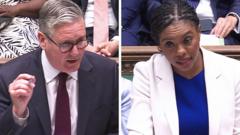
Conservative Leader Attacks Government's Defence Spending Gap
The Conservative Party leader has launched a sharp attack on the government's handling of the defence spending gap, arguing that a substantial shortfall threatens national security. Kemi Badenoch highlighted what she describes as a critical £5bn hole in the current defence investment plan, raising serious questions about the administration's commitment to adequately funding Britain's military capabilities.
The £5 Billion Defence Spending Gap Explained
At the centre of the dispute lies an alleged missing £5bn from the defence investment strategy. This defence spending gap represents a significant portion of projected military expenditure and has become a focal point of parliamentary debate. Badenoch contends that such a shortfall leaves the nation vulnerable and undermines defence infrastructure development across multiple branches of the armed forces.
The discrepancy appears to stem from differing interpretations of budgetary commitments and spending projections. While the government maintains its position on defence financing, the opposition argues that the defence spending gap creates uncertainty for military procurement and operational readiness. The figure itself has become emblematic of broader concerns regarding defence priorities within the current administration.
Badenoch's Criticism and Political Response
Kemi Badenoch, in her role as Conservative leader, has positioned this defence spending gap as evidence of mismanagement and inadequate planning. Her criticism extends beyond simple budgetary concerns, touching on strategic military preparedness and the government's credibility in security matters. The attack reflects Conservative efforts to challenge the government's defence credentials ahead of potential electoral contests.
Badenoch's assertions have sparked debate among defence analysts and military figures regarding the accuracy of the claimed £5bn discrepancy. Some experts question whether the defence spending gap represents an actual shortfall or results from revised planning methodologies. Nevertheless, the political narrative has gained traction within opposition circles and among defence policy specialists.
Government Defence Spending Under Scrutiny
The broader context surrounding this defence spending gap involves historical commitments to increase military funding. Previous administrations pledged to elevate defence expenditure to specific percentages of GDP, and current defence investment plans were designed to fulfil these obligations. However, the alleged gap suggests potential delays or reductions in anticipated spending levels.
This defence spending gap controversy coincides with ongoing international security challenges and increased military spending by rival nations. The timing of Badenoch's criticism emphasises how defence budgeting intersects with national security strategy. Questions persist about whether the defence spending gap reflects genuine financial constraints or represents prioritisation decisions by government decision-makers.
Impact on Defence Capabilities and Armed Forces
Military procurement specialists warn that a defence spending gap of this magnitude could postpone critical equipment upgrades and capability development programmes. The armed forces have outlined various equipment needs and modernisation requirements that depend on adequate funding streams. If the defence spending gap results in actual reductions, these programmes may face extension timelines or scope limitations.
Personnel concerns also emerge within this defence spending gap discussion. Recruitment, training, and operational readiness initiatives require sustained financial commitment. Armed forces leadership has previously highlighted how funding reliability directly impacts military effectiveness and personnel morale.
Political Implications and Future Prospects
The defence spending gap has become a significant political weapon for the Conservative opposition. Badenoch's sustained criticism establishes a narrative that the current government underestimated or mismanaged defence commitments. This positions defence policy as a central differentiator between the parties for future electoral campaigns.
Moving forward, the government faces pressure to provide detailed clarifications regarding the defence spending gap and justify any variations from original spending projections. Defence analysts expect this issue will feature prominently in parliamentary questioning and policy debates. The resolution of this defence spending gap matter could influence broader public perception regarding government competence in managing critical national functions.