
Child Death Inquest: London Tower Block Lacked Safety Measures
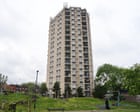
Inquest Examines Safety Failures in Child Death Case
An inquest into the tragic death of a young child has revealed significant concerns about a child death inquest London case, specifically highlighting inadequate safety provisions in the residential property where the incident occurred. The court proceedings have documented how additional protective measures could have potentially prevented this devastating outcome at a tower block in east London.
Aalim Ahmed, a five-year-old boy with autism, tragically fell from a kitchen window on the 15th floor of a residential building located in Plaistow, east London. The fatal incident took place on 16 May 2024, in the early morning hours. His father, Makail Ahmed, discovered his son's body shortly before 6am after rushing down from their temporary accommodation on the top floor of the housing complex.
Family's Prior Concerns About Housing Conditions
Prior to the tragic incident, the Ahmed family had actively sought relocation from the tower block, raising serious concerns about the suitability of the accommodation for their child. The family's repeated requests for transfer highlight the pre-existing anxieties regarding the safety and appropriateness of their living situation in the high-rise complex. These requests went unaddressed before the fatal accident occurred, according to court testimony.
Tower Block Safety Measures Under Scrutiny
The inquest proceedings have focused considerable attention on the tower block safety measures that were in place at the time of Aalim's death. Evidence presented to the court suggests that the residential building lacked several important safeguards that could have mitigated the risk of such accidents. Specifically, the kitchen window from which the child fell presented a hazard that could have been better managed through appropriate safety installations.
Experts appearing at the inquest have testified that additional protective mechanisms, such as window restrictors or safety catches, could have been implemented to prevent the window from opening to a dangerous extent. These types of measures are relatively standard in properties housing families with young children, particularly those with autism spectrum disorder who may have difficulty understanding danger or impulse control.
Autism and Environmental Risk Factors
The inquest has also examined how Aalim's autism diagnosis should have informed risk assessments and safety planning within the household. Children on the autism spectrum often face unique vulnerabilities related to their sensory experiences and behavioral patterns. Some autistic children exhibit elopement behavior or may be drawn to windows and heights without understanding the associated dangers, making environmental safety modifications particularly crucial.
The temporary nature of the family's housing arrangement appears to have complicated efforts to implement necessary safety modifications. Many families in temporary accommodation face barriers to making structural changes or improvements to their living spaces, even when such modifications are medically or developmentally necessary.
Social Housing Hazards and Responsibility
The case has raised broader questions about social housing hazards and the responsibilities of local authorities and housing providers regarding child safety. Local authorities have a duty of care toward families in temporary accommodation, particularly when families have explicitly raised safety concerns. The failure to act on the Ahmed family's relocation requests appears central to the inquest's findings.
Housing providers and local authorities must conduct thorough risk assessments when placing families with vulnerable children in high-rise accommodation. These assessments should consider factors such as the child's age, developmental stage, any diagnosed disabilities or conditions, and behavioral tendencies that might increase accident risk.
Implications for Child Protection Policy
The inquest into Aalim Ahmed's death carries significant implications for child protection policies and housing standards across the country. The case demonstrates that tragic outcomes can sometimes be prevented through proper attention to environmental risk factors and responsive action on family concerns. The findings may prompt recommendations for improved practices in temporary housing allocation and safety monitoring.
This incident underscores the importance of integrated approaches to child safety that involve collaboration between health services, social care, and housing authorities. When families request relocation due to safety concerns, such requests merit urgent investigation and response rather than administrative delay.
Moving Forward: Recommendations and Accountability
The inquest proceedings will likely result in recommendations aimed at preventing similar tragedies in the future. These may include mandatory safety modifications in high-rise temporary accommodation housing families with young children, improved communication protocols between housing departments and families, and enhanced training for housing staff regarding child safeguarding principles.
The death of Aalim Ahmed represents not merely a personal family tragedy but also a systemic failure that warrants examination and remediation. As the inquest concludes, attention must focus on implementing practical changes that protect vulnerable children in similar circumstances and ensure that family concerns about housing safety receive the urgent attention they deserve.