
England's Drought Crisis: Two-Thirds of Nation Now Affected
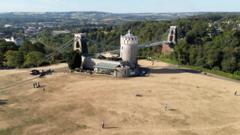
England's Unprecedented Drought Crisis Deepens
A significant portion of England is currently experiencing a severe water shortage, with more than two-thirds of the nation now classified under drought conditions. This England drought crisis represents one of the most pressing environmental challenges facing the country, affecting millions of residents and critical water supply systems across multiple regions.
Regions Officially Entering Drought Status
Water authorities have announced that several key areas have officially transitioned into drought status due to prolonged periods of insufficient rainfall and elevated temperatures. The East Midlands region, encompassing vast agricultural and residential areas, has been designated as experiencing severe drought conditions. Additionally, Lincolnshire and Northamptonshire, both crucial agricultural zones, have entered this critical classification.
The Southeast has not been spared from this crisis. Kent and East Sussex, densely populated counties that support a significant portion of England's population, now face official drought status. Furthermore, the Solent and South Downs region, which includes parts of Hampshire and Sussex, has also been moved into this serious classification.
Impact of Widespread Drought Conditions
The expansion of drought status across England drought crisis zones indicates a deteriorating water situation. These designations are not merely administrative labels but represent real constraints on water availability for households, businesses, and agriculture. When regions officially enter drought status, water companies implement restrictions on non-essential water use, including garden watering and car washing.
The agricultural sector, particularly in Lincolnshire and the East Midlands, faces substantial challenges. Farmers depend on adequate water supplies for irrigation during growing seasons, and prolonged drought conditions can significantly impact crop yields and livestock management. The classification of these regions under drought status signals that water stress has reached levels requiring formal intervention.
Geographic Scope of the Drought Crisis
The geographic distribution of affected areas demonstrates the nationwide scale of this England drought crisis. The East Midlands covers a broad area including Nottinghamshire, Derbyshire, and surrounding counties. Lincolnshire, known for its intensive agriculture, represents a critical food production region now experiencing severe water constraints.
In the Southeast, the inclusion of Kent and East Sussex reflects the impact on densely populated areas where water demand from households and businesses is substantial. The Solent and South Downs classification further extends the drought's reach into southern England, affecting communities from the coast to inland areas.
Understanding Drought Status Classification
When water authorities declare that a region has entered drought status, it signifies that normal water availability has fallen below sustainable levels. This classification triggers formal drought management protocols and may lead to increasingly strict water use restrictions for residents and businesses. The fact that more than two-thirds of England now carries this designation underscores the severity and breadth of the current situation.
The progression from normal conditions to drought status represents a careful assessment by water authorities who monitor rainfall patterns, water storage levels, and demand projections. The official designation of these multiple regions indicates that conditions have deteriorated sufficiently to warrant formal drought management responses.
Implications for England's Water Future
The England drought crisis affecting such a large portion of the nation raises important questions about water security and climate resilience. As these regions manage their water resources under drought status conditions, households and businesses must adapt their consumption patterns. The long-term sustainability of water supplies in affected areas depends on both immediate conservation efforts and longer-term infrastructure improvements.
The involvement of major population centers and agricultural regions in this drought status classification means that the impacts will be felt across multiple sectors of the economy and by millions of residents throughout England.