
Feral Children: Why Kids Need Freedom to Be Wild
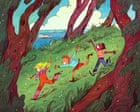
Feral Children: Understanding a Misunderstood Concept
The term feral children has become increasingly relevant in contemporary discussions about childhood development and parenting philosophies. While adults frequently advocate for expanding children's presence and voice in society, paradoxically, the same adults often demand silence when young people actually exercise that freedom. This contradiction shapes how we approach raising feral children and understanding what truly matters during formative years.
On Peaks Island in Maine, childhood represents something fundamentally different from urban environments. The island lifestyle demonstrates how geography and community structure directly impact child autonomy and independence. This remote Maine community illustrates principles that extend far beyond coastal living, offering insights into what healthy childhood development requires.
The Island Rite of Passage: Transportation and Independence
Peaks Island remains accessible solely by water, located approximately 3 miles from Portland's coastline. This geographical reality shapes every aspect of island life, particularly how children experience growing up. The island features an elementary school serving younger students, but older children must venture beyond their immediate community for secondary education.
When island children advance to sixth grade, they embark on a significant journey—the daily 7:15am ferry commute to mainland schools. This transition represents far more than academic progression; it constitutes a genuine rite of passage acknowledged and experienced by the entire island community. The ferry ride marks the moment when childhood, as island residents understand it, concludes and young people begin navigating independence.
Daily Commuting as Character Building
The morning ferry departure symbolizes responsibility and self-reliance. Island students learn to wake themselves, manage their schedules, and coordinate transportation without parental supervision at levels unusual in mainland communities. This practical independence cannot be taught in classrooms or simulated through helicopter parenting techniques prevalent elsewhere.
Feral Children and Natural Development
The concept of feral children often carries negative connotations, yet child development experts increasingly recognize that unsupervised play, outdoor exploration, and age-appropriate independence contribute significantly to healthy psychological development. Island communities like Peaks Island create environments where such natural maturation occurs organically.
Children raised in island communities experience feral children freedoms that their mainland peers rarely encounter. They navigate water, develop marine awareness, understand community interdependence, and learn self-reliance through genuine necessity rather than structured programs designed to simulate independence.
Outdoor Exploration and Risk Assessment
When childhood development occurs in environments where real consequences exist—boats, water, weather, distance—children develop genuine risk assessment skills. They learn to evaluate situations accurately, make sound decisions under pressure, and understand that their choices affect their wellbeing directly. These capabilities cannot be replicated through supervised activities or curriculum-based learning.
Modern Parenting Constraints and Childhood Freedom
Conventional wisdom dictates that children need constant supervision, structured activities, and monitored environments. Yet this approach contradicts decades of developmental psychology research demonstrating that autonomy, exploration, and age-appropriate risk-taking foster resilience, problem-solving abilities, and confident self-image.
The paradox remains persistent: society claims to value childhood presence and voice while simultaneously restricting the conditions necessary for authentic development. Parents face cultural pressure to limit outdoor play, restrict unsupervised exploration, and eliminate the exact freedoms that build capable, confident young people.
The Contradiction in Modern Expectations
Adults repeatedly express concern that children occupy insufficient space in social discourse and community life. Simultaneously, these same adults demand that young people remain quiet, controlled, and invisible when they actually claim their place. This contradiction prevents children from developing the confidence, voice, and presence adults claim to want for them.
Island Communities as Models for Authentic Childhood
Peaks Island represents a living laboratory for understanding how communities can support healthier childhood development. The island's structure naturally necessitates independence, self-reliance, and age-appropriate responsibility. Children raised in such environments demonstrate capabilities that astonish mainland observers accustomed to more sheltered upbringings.
These young people navigate complex transportation systems, manage time independently, solve problems without immediate adult intervention, and develop genuine confidence in their abilities. The term feral children might describe their freedoms, but the outcomes suggest such freedom produces remarkably capable, secure individuals.
Community Values and Child Development
Island communities place different values on childhood than suburban or urban environments. There exists implicit understanding that children benefit from genuine responsibility, authentic challenges, and age-appropriate independence. This cultural framework supports development outcomes that structured, supervised upbringings frequently fail to achieve.
Reconsidering What Childhood Requires
The conversation about feral children ultimately reflects broader questions about what we truly want for young people. If society genuinely values confident, capable, self-reliant adults, the approach to childhood must change. The current model—restricting autonomy, eliminating outdoor exploration, maintaining constant supervision—produces adults who struggle with independence and decision-making.
Environments like Peaks Island demonstrate that children thrive when given genuine responsibility, age-appropriate freedom, and trust in their developing capabilities. The morning ferry represents not a burden but an opportunity—a daily practice in independence that builds the actual people society claims to want children to become.