
Food Tracking Apps: Do They Truly Enhance Your Health?
Understanding the Rising Popularity of Food Tracking Apps
Food tracking apps have become increasingly prevalent in modern wellness culture, with millions of users worldwide downloading applications designed to monitor their dietary habits. These digital tools promise to revolutionize how individuals manage their nutrition, yet the question remains: do food tracking apps genuinely contribute to better health outcomes? This comprehensive examination explores the multifaceted relationship between food monitoring technology and personal wellness.
The Core Function of Dietary Monitoring Technology
Food tracking apps serve as digital platforms where users record everything they consume throughout the day. These applications typically calculate nutritional information, including calories, macronutrients, vitamins, and minerals. By maintaining detailed records of food intake, users gain visibility into their eating patterns and dietary choices. The primary mechanism behind food tracking apps is awareness—by documenting meals, individuals become more conscious of what they eat and in what quantities.
How Calorie Counting Works in Modern Apps
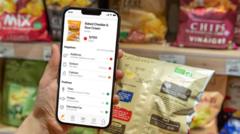
The traditional approach involves calculating daily caloric intake against predetermined targets. Food tracking apps often integrate extensive food databases containing thousands of products with associated nutritional data. Users either search for specific items or scan barcodes to log entries quickly. This convenience factor has contributed significantly to the adoption of dietary monitoring among fitness enthusiasts, athletes, and individuals pursuing weight management goals.
Scientific Evidence Supporting Food Tracking Benefits
Research indicates that food tracking apps can positively influence eating habits for certain populations. Studies have demonstrated that individuals who consistently monitor their intake tend to make more conscious food choices. The act of logging meals creates an accountability mechanism that can discourage mindless eating and encourage portion control. Furthermore, awareness of nutritional content helps users identify dietary gaps and address nutritional deficiencies more effectively.
Nutritionists and dietitians often recommend food tracking as a preliminary step for clients seeking to understand their baseline consumption patterns. This data collection phase provides valuable insights that inform personalized dietary recommendations and intervention strategies.
Potential Drawbacks and Health Concerns
Despite apparent advantages, food tracking apps present significant challenges. Mental health professionals express concern about obsessive tracking behaviors that may contribute to disordered eating patterns. For individuals with histories of eating disorders or restrictive behaviors, constant monitoring can trigger or exacerbate unhealthy relationships with food. The psychological burden of meticulously documenting every consumed item may outweigh nutritional benefits for vulnerable populations.
Additionally, the accuracy of food tracking apps remains questionable. Database entries may contain errors, portion size estimates prove challenging to execute consistently, and the nutritional composition of meals varies based on preparation methods. These inaccuracies can undermine the validity of tracked data and lead users to make decisions based on incomplete information.
The Psychological Impact of Continuous Monitoring
Food tracking apps can foster anxiety around eating, particularly when users become fixated on meeting precise numerical targets. This behavior pattern may overshadow the broader objective of developing sustainable, balanced dietary habits. Rather than learning intuitive eating skills or developing genuine understanding of nutritional principles, users may become dependent on technology to guide their food choices.
Long-Term Adherence and Motivation
Initial enthusiasm for dietary monitoring frequently diminishes over time. Many users abandon food tracking apps after several weeks or months, citing the tedious nature of constant logging. The sustainability question becomes critical when evaluating whether food tracking apps serve as effective long-term wellness solutions or merely provide temporary behavioral changes.
Who Benefits Most From Food Tracking Applications?
Food tracking apps prove most beneficial for individuals with specific, measurable health goals—such as athletes optimizing performance nutrition or patients managing medical conditions requiring precise dietary management. People generally comfortable with quantitative self-assessment tend to find these tools helpful rather than burdensome. Conversely, those prone to obsessive behaviors or individuals with complex relationships with food may experience adverse effects.
Expert Recommendations for Responsible Use
Health professionals suggest approaching food tracking apps as temporary tools rather than permanent lifestyle requirements. Combining dietary monitoring with education about nutrition fundamentals creates a more comprehensive wellness strategy. Individuals should establish clear, reasonable goals before beginning tracking and regularly evaluate whether the practice remains beneficial or has become counterproductive.
Registered dietitians recommend using food tracking apps in conjunction with professional guidance rather than relying solely on technology for nutritional decisions. This collaborative approach addresses individual health circumstances while leveraging the organizational benefits of digital monitoring systems.
Conclusion: Balanced Perspective on Digital Dietary Tools
Food tracking apps represent valuable tools within a broader wellness framework, yet they are not universally beneficial solutions. Their effectiveness depends entirely on individual circumstances, psychological makeup, and specific health objectives. Rather than viewing dietary monitoring as a permanent necessity, individuals should consider these applications strategic resources deployed during particular health optimization phases. The ultimate goal should always prioritize developing sustainable, intuitive eating habits supported by genuine nutritional knowledge rather than perpetual technological dependence.