
H5 Bird Flu Reaches Australia: Wildlife Crisis Explained
H5 Bird Flu Arrives in Australia: A Critical Environmental Threat
Australia is facing an unprecedented wildlife emergency as H5 bird flu has made its way to the mainland for the first time. This highly contagious and deadly strain of avian influenza represents a significant concern for the nation's ecosystems, agricultural sector, and public health authorities. The detection of the H5N1 virus in a wild migratory bird has sparked urgent responses from government officials and environmental experts across the country.
What Exactly Is H5 Bird Flu?
The H5N1 strain of H5 bird flu is a potent pathogen that primarily affects birds, though it has demonstrated the capacity to infect mammals in rare circumstances. This particular virus belongs to the influenza A virus family and is characterized by its high mortality rate in infected avian species. The virus spreads through respiratory droplets and contact with contaminated surfaces, making it particularly dangerous in densely populated bird populations or areas with significant wildlife congregation.
H5N1 has been recognized as a major threat to global bird populations for over two decades. The virus causes severe respiratory and systemic illness in infected birds, typically resulting in death within days of symptom onset. Its ability to persist in water and survive in cooler temperatures makes it capable of spreading across vast geographical distances through migratory bird populations.
How Did H5 Bird Flu Reach Australian Shores?
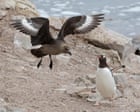
The arrival of H5 bird flu in Australia has been traced to international migratory bird routes. The brown skua, a seabird species found along Australian coasts, was identified as the carrier of the H5N1 virus. This discovery was made in Western Australia, where the infected bird was discovered in a weakened state before succumbing to the illness.
The skua's presence in Australian waters represents a natural consequence of the bird's migratory patterns. These marine birds travel vast distances annually, following food sources and breeding cycles that take them across multiple continents and ocean basins. Unfortunately, this global mobility also facilitates the spread of infectious diseases like avian influenza, which can travel alongside wild bird populations.
Federal Response and Official Confirmation
Julie Collins, Australia's federal agriculture minister, made an official announcement confirming the presence of H5 bird flu in the country. The confirmation came after laboratory testing identified the H5N1 virus in the deceased brown skua specimen. This announcement triggered immediate governmental and scientific responses aimed at monitoring, containment, and management of the outbreak.
The identification of H5N1 in a wild migratory bird necessitates comprehensive surveillance protocols across Australian wildlife populations. Agricultural and environmental departments have been mobilized to track the virus's spread and implement biosecurity measures designed to prevent transmission to domestic poultry operations and other vulnerable species.
Human Health Risks and Public Safety
A critical question for Australian residents concerns potential human transmission risks associated with H5 bird flu. While H5N1 is primarily an avian pathogen, health authorities acknowledge that zoonotic transmission to humans, though rare, remains a theoretical possibility. Historically, human H5N1 infections have occurred in individuals with direct, prolonged contact with infected birds or contaminated materials.
Current public health guidance emphasizes that the general population faces minimal risk through normal activities. However, wildlife handlers, veterinarians, and individuals working in poultry industries are advised to implement enhanced personal protective equipment and biosafety protocols when dealing with potentially infected birds.
Agricultural Implications and Biosecurity Measures
The arrival of H5 bird flu poses significant threats to Australia's poultry industry. Commercial chicken and turkey operations face potential exposure risks that could result in mass mortality events and substantial economic losses. To counteract these threats, agricultural officials have implemented stringent biosecurity protocols at poultry facilities nationwide.
Farmers are required to maintain strict separation between domestic birds and wild bird populations, implement rigorous hygiene standards, and report any unusual illness or mortality among their flocks. These preventive measures aim to contain the virus and protect the estimated billions of dollars in annual poultry production value.
Wildlife Conservation Concerns
Beyond agricultural impacts, H5 bird flu presents serious conservation challenges for Australia's diverse avian species. Native bird populations, particularly seabirds and migratory species, face heightened vulnerability to infection. Conservation experts express concern about potential population declines in already threatened species if the virus becomes established in wild bird communities.
Environmental monitoring programs have been expanded to track H5N1 prevalence in various bird populations across different Australian regions. These surveillance efforts provide crucial data for understanding the virus's spread patterns and identifying species most vulnerable to infection.
Moving Forward: Monitoring and Prevention
Australia's response to H5 bird flu involves coordinated efforts between federal, state, and territorial authorities, alongside international collaboration. Continuous environmental surveillance, rapid diagnostic capabilities, and responsive management strategies form the cornerstone of outbreak containment. Public awareness campaigns educate residents about recognizing sick wildlife and reporting observations to appropriate authorities, enabling early detection of potential outbreaks.