
Indian Medical Exam Reinforced with Enhanced Security Following Paper Leak Allegations
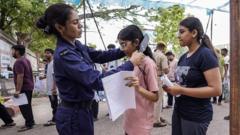
Enhanced Security Protocols for Rescheduled Medical Examination
Indian medical exam security has reached unprecedented levels as authorities implement comprehensive protective measures following serious allegations of unauthorized paper distribution during the initial test administration. The rescheduled assessment will incorporate multiple layers of verification to prevent any recurrence of the documented breach.
The implementation of Indian medical exam security measures reflects the government's commitment to maintaining examination integrity across the nation's healthcare professional selection process. Candidates participating in the retake will encounter substantially fortified protocols designed to eliminate vulnerabilities identified in the preliminary administration.
Biometric Verification and Advanced Screening Procedures
Biometric identification technology has been deployed as the primary mechanism for candidate authentication. This system will capture fingerprint data, iris recognition, and facial identification markers, creating a comprehensive digital profile for each test-taker. These measures ensure that only registered individuals access examination materials and testing facilities.
Beyond biometric systems, physical security protocols include thorough frisking procedures at all entry points. Security personnel will conduct comprehensive body searches to prevent the introduction of unauthorized materials, communication devices, or recording equipment that could compromise examination confidentiality.
Layered Approach to Examination Safety
The multi-tiered security framework combines technological safeguards with traditional security personnel presence. Metal detectors positioned at facility entrances provide initial screening, while trained security officers monitor examination halls throughout the assessment period. This integrated approach creates overlapping protective mechanisms that would require coordinated breaches across multiple systems to succeed.
Military Involvement in Examination Security
The air force deployment represents a significant escalation in institutional commitment to preventing examination paper leaks. Military personnel bring specialized expertise in secure document handling, facility access control, and threat assessment. Their involvement signals the government's determination to treat the examination breach with the seriousness accorded to national security matters.
Air force units have established secure supply chains for examination materials, with papers stored in fortified facilities under continuous surveillance. Transport of test documents from centralized repositories to individual examination centers occurs under armed escort, ensuring that papers remain under constant observation during vulnerable transit periods.
Document Security and Chain of Custody
Examination papers are now sealed within multiple protective layers, with each seal bearing unique identification codes traceable to specific examination centers. Numbered seals must be broken sequentially in the presence of multiple observers, creating accountability checkpoints throughout the access chain. Any irregularity in seal condition or numbering sequence triggers immediate investigation and potential examination cancellation.
Impact on Candidate Population and Testing Requirements
The comprehensive restructuring of Indian medical exam security measures affects millions of examination candidates across multiple testing centers nationwide. Each participant must arrive at designated facilities well in advance of assessment commencement to allow adequate time for biometric registration and security screening procedures.
Candidates face mandatory presentation of government-issued photographic identification documentation, which undergoes comparison against biometric data and official registration records. This verification process, while thorough, creates longer processing times at examination facility entrances, necessitating earlier arrival by test-takers.
Accommodation Facilities and Testing Duration
Examination administrators have extended the overall assessment timeline to accommodate enhanced security protocols without reducing actual testing periods. Candidates maintain the same question sets and time allocations for demonstrating medical knowledge and competency, while security procedures occur during supplementary scheduling windows.
Regulatory Response and Future Implementation
The alleged paper leak incident triggered comprehensive investigations by education authorities, law enforcement agencies, and judicial bodies. The Indian medical exam security enhancements implemented for the rescheduled assessment represent recommendations from this multi-agency review process, establishing protocols intended for future examinations across medical education selection systems.
These security frameworks may serve as templates for other competitive examinations administered through government institutions, potentially standardizing biometric verification and military-grade document protection across India's examination infrastructure.
Public Confidence and Examination Integrity
The transparent communication regarding security measures aims to rebuild confidence among candidates and stakeholders affected by the initial breach. By demonstrating institutional commitment to preventing recurrence, authorities seek to reestablish the credibility and reliability of the medical professional selection process.
The comprehensive approach to Indian medical exam security represents a watershed moment in examination administration, establishing new baseline standards for protecting confidential assessment materials and ensuring fair competition among medical education candidates.