
Iran Claims Strait of Hormuz Closure Over Israel's Lebanon Strikes
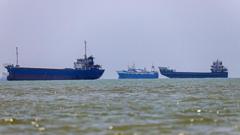
Iran's Strategic Assertion Regarding Strait of Hormuz Closure
Tehran has made a significant announcement regarding the Strait of Hormuz closure in what officials characterize as a response to recent Israeli military operations targeting Lebanese territories. The Islamic Republic's declaration represents an escalation in regional tensions, occurring just days before scheduled diplomatic discussions between Washington and Tehran are set to commence in Switzerland on Sunday.
The Iranian government's statement about the Strait of Hormuz carrying closure measures has immediately attracted international scrutiny and diplomatic concern. Officials from the Islamic Revolutionary Guard Corps emphasized that the action constitutes a direct response to what they describe as Israeli aggression affecting Lebanon and the broader regional stability. The timing of this announcement, coinciding with high-stakes bilateral negotiations, underscores the complexity of current Middle Eastern geopolitical dynamics.
US Military Response to Iran's Claims
The United States military establishment has moved swiftly to challenge Tehran's assertion regarding the Strait of Hormuz closure. American defense officials have publicly disputed the Iranian claim, suggesting that no actual blockade of this critical waterway has been implemented or is currently operational. This contradiction between Iranian statements and US assessments reveals the information gap characteristic of contemporary regional disputes.
Pentagon representatives and naval command officials indicated that freedom of navigation through the strategic passageway remains unimpeded. The US military maintains continuous surveillance over the Strait of Hormuz, one of the world's most vital commercial shipping routes, through which approximately one-third of all maritime petroleum trade passes daily. Any actual closure or significant restriction would immediately impact global energy markets and international commerce.
Diplomatic Context and Upcoming Negotiations
The Iranian declaration arrives at a particularly sensitive moment in US-Iran relations. Scheduled talks in Switzerland on Sunday represent another attempt at de-escalation and diplomatic engagement between the two nations. These discussions had been planned well in advance, reflecting ongoing efforts by international mediators to reduce tensions that have progressively mounted throughout recent months.
Observers of Middle Eastern affairs note that such announcements frequently serve strategic purposes beyond their literal implications. The Iranian government's messaging strategy may be intended to demonstrate strength to domestic audiences, assert regional influence, or establish negotiating positions ahead of the forthcoming talks in Switzerland. Understanding the multifaceted nature of such statements requires consideration of both military and political dimensions.
Regional Implications and Strategic Significance
The situation affecting the Strait of Hormuz carries profound implications for global energy security and international commerce. The waterway connecting the Persian Gulf to the Gulf of Oman represents one of Earth's most strategically important maritime passages. Any genuine disruption to shipping through this channel would reverberate across global supply chains, particularly impacting oil and gas markets worldwide.
Israeli military operations in Lebanon have generated considerable concern among regional powers and international observers. The Iranian government's response, whether substantive military action or political posturing, reflects the interconnected nature of conflicts throughout the Middle East. Lebanon's proximity to both Israel and Iran creates complex regional dynamics where actions by one party can trigger responses from others.
International Energy Markets and Commercial Concerns
Global oil and shipping markets have remained attentive to developments regarding the Strait of Hormuz and potential disruptions to maritime commerce. Energy analysts monitor Iranian statements and military movements closely, recognizing that even unconfirmed assertions can influence petroleum prices and shipping insurance rates. The economic ramifications of genuine closure would be substantial, affecting fuel costs worldwide and disrupting supply chains dependent on petroleum and natural gas flowing through the passage.
Industry experts emphasize that the Strait of Hormuz's importance extends beyond its role in energy transport. Goods destined for markets across Asia, Europe, and Africa transit through this channel, making it integral to international commerce and economic stability. Any prolonged closure would necessitate costly alternative routing and create significant commercial disruptions.
Verification Challenges and Information Warfare
Distinguishing between genuine military actions and rhetorical positioning has become increasingly difficult in contemporary international disputes. The conflicting narratives regarding the Strait of Hormuz between Iranian officials and American military assessors illustrate how information itself becomes contested terrain. Multiple parties offer competing interpretations of the same events, complicating efforts by international observers to establish objective facts.
Technological monitoring capabilities deployed by various nations provide data about maritime activities, yet interpreting this information and assessing its significance remains subject to political considerations. The Iranian claim about Strait of Hormuz closure will likely remain subject to dispute until independent verification or further clarification emerges from reliable sources.
The upcoming negotiations in Switzerland will undoubtedly address these escalating tensions and provide opportunities for clarification. Diplomatic channels may help resolve misunderstandings and establish agreed parameters for future conduct, though fundamental disagreements between Iran and Western powers continue presenting obstacles to comprehensive resolution of regional disputes.