
MPs Warn Against Using Obscure Procedure to Force Assisted Dying Bill
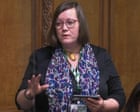
Cross-Party Warning Over Assisted Dying Bill Strategy
Members of Parliament from both sides of the debate on the assisted dying bill have issued a serious warning against deploying an extraordinary parliamentary maneuver to bypass the House of Lords. This cautionary stance comes at a critical juncture as lawmakers prepare for a significant Commons vote scheduled for Friday, with the assisted dying bill remaining one of the most contentious legislative matters currently facing Parliament.
The intervention represents a rare moment of consensus between MPs who hold fundamentally opposing views on the contentious legislation. Rather than focusing on their substantive disagreements about end-of-life policy, both supporters and critics of the measure have united in expressing concern about the procedural tactics that could be employed to ensure the bill's passage.
Labour MPs Break Ranks to Sound Parliamentary Alarm
Two prominent Labour Members of Parliament have taken the extraordinary step of penning a joint warning letter to their parliamentary colleagues. Gareth Snell, whose record shows he voted in favour of the assisted dying bill during earlier Commons debates, has aligned himself with Meg Hillier, who cast her vote against the legislation. This unusual partnership underscores the depth of concern about potential parliamentary overreach.
In their correspondence, both MPs have articulated their shared belief that circumventing established scrutiny procedures would represent an exceptional and dangerous precedent. The letter emphasizes that regardless of how individual lawmakers feel about the substantive merits of the assisted dying bill, the procedural integrity of Parliament must be maintained.
The Role of the House of Lords in Legislative Scrutiny
Central to the MPs' concerns is the constitutional function performed by the House of Lords in the legislative process. The Upper Chamber serves as a revising chamber, tasked with examining bills thoroughly and offering amendments that reflect diverse perspectives on matters of significant public importance. The assisted dying bill, given its profound implications for society, medical ethics, and individual autonomy, undoubtedly qualifies as a serious public issue warranting full parliamentary scrutiny.
The Lords have exercised their legitimate right to delay or amend certain legislation, which is precisely what has occurred with the assisted dying bill. Rather than accepting this as part of normal parliamentary procedure, proponents in the Commons have apparently considered invoking procedural mechanisms that would curtail the Upper House's traditional reviewing function. This prospect has prompted Snell and Hillier to issue their preventive warning.
Understanding the Parliamentary Procedure in Question
The "obscure parliamentary procedure" referenced by multiple sources relates to mechanisms within Westminster procedures that theoretically allow the Commons to override or bypass Lords amendments under specific legislative circumstances. While such procedural tools exist within the parliamentary rulebook, their deployment for controversial legislation touching on life-and-death ethical questions represents precisely the kind of extraordinary risk both MPs are flagging.
The use of such procedures has historically been rare and typically reserved for situations deemed genuinely urgent by Parliament. Applying such measures to the assisted dying bill would signal a dramatic departure from conventional parliamentary conduct, particularly given the moral and philosophical dimensions of the legislation.
The Timing and Political Context
The warning emerges at a particularly sensitive moment in the legislative calendar. With Friday's Commons vote approaching, the procedural question has shifted from theoretical speculation to practical political possibility. The uncertainty surrounding the Lords' continued opposition to the assisted dying bill has apparently created pressure within Commons chambers to identify mechanisms that could guarantee passage regardless of Upper House obstruction.
This pressure, however, is precisely what Snell and Hillier are urging their colleagues to resist. Their intervention suggests that despite the emotional investment many MPs have in the outcome regarding the assisted dying bill, there remains meaningful concern about protecting Parliament's institutional structures and traditions.
Implications for Democratic Governance
The MPs' letter carries implications extending far beyond the immediate assisted dying bill debate. If extraordinary procedures become normalized for controversial legislation, the parliamentary balance between the two chambers could be fundamentally altered. This represents a constitutional concern that transcends any single policy disagreement.
Both supporters and opponents of the assisted dying bill apparently recognize that whatever precedent is established during this legislative process will shape parliamentary procedure for future generations. The gravity of this consideration has motivated the unusual joint statement from MPs occupying opposite positions on the core policy question.
As Parliament approaches Friday's critical vote, the question of how the Commons will proceed—whether through orthodox parliamentary channels or via procedural shortcuts—remains unresolved. The warning from Snell and Hillier suggests that significant numbers of MPs share concerns about protecting Parliament's institutional integrity, even when the underlying policy stakes feel extraordinarily high.