
Oil Markets Rally as Strait of Hormuz Reopening Talks Advance
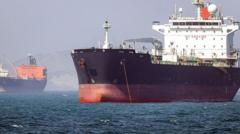
Crude Markets React to Strait of Hormuz Reopening Prospects
Energy markets experienced a notable shift as oil prices decreased following encouraging developments regarding the potential reopening of the Strait of Hormuz. The strategic waterway, which serves as a critical conduit for global petroleum shipments, has been at the center of international diplomatic efforts aimed at normalizing commerce flows.
The Strait of Hormuz oil prices response came after senior U.S. officials disclosed substantial progress in negotiations. US Secretary of State Marco Rubio and Treasury Secretary Scott Bessent jointly confirmed that discussions have reached an advanced stage, bringing the prospect of resumed maritime operations closer to reality.
Diplomatic Negotiations Reach Critical Stage
Senior government officials have signaled optimism regarding the trajectory of ongoing talks. The announcements from the State Department and Treasury Department represent a coordinated effort to address the disruptions that have affected energy markets globally. Both officials emphasized that the negotiation framework has evolved to accommodate the resumption of shipments through this essential maritime corridor.
The diplomatic progress suggests that multiple stakeholders have engaged constructively in discussions designed to eliminate barriers preventing normal shipping operations. These negotiations represent months of complex international coordination aimed at stabilizing crude oil markets and reassuring global energy consumers.
Impact on Global Energy Markets
The reduced oil prices reflect market participants' assessment that commercial shipping restrictions may soon be lifted. Investors have responded positively to indications that the Strait of Hormuz—through which approximately one-third of seaborne traded oil passes—could return to normal operating conditions. This development carries significant implications for energy security and price stability worldwide.
Market analysts have noted that even preliminary progress in reopening discussions generates downward pressure on crude valuations. Traders anticipate that successful reopening would increase available petroleum supplies and relieve supply constraints that have supported higher energy costs in recent months.
Strategic Significance of Hormuz Passage
The Strait of Hormuz represents one of the world's most strategically important maritime chokepoints. Located between Iran and Oman, this narrow passage witnesses the transit of enormous volumes of crude oil and refined petroleum products daily. Any disruption to shipping through this channel invariably reverberates across global energy markets, affecting prices from production facilities to retail consumers.
The potential reopening of normal shipping lanes addresses concerns that had emerged regarding energy supply interruptions. International markets have closely monitored developments affecting this vital waterway, understanding that stability here directly influences economic conditions across energy-dependent nations.
Official Statements on Negotiation Progress
Marco Rubio's public acknowledgment of advanced talks underscores the seriousness with which the State Department approaches this issue. The Treasury Secretary's concurrent statement reinforces the economic dimensions of achieving a resolution. Both officials highlighted that their respective departments have coordinated messaging to convey that substantive progress has occurred in recent negotiations.
These high-level confirmations suggest that frameworks addressing the concerns of all parties are being actively developed. The willingness of senior officials to publicly discuss negotiation advances indicates confidence that meaningful resolutions may be achievable through continued diplomatic engagement.
Crude Oil Shipments: Path Forward
The eventual resumption of crude oil shipments through the Strait of Hormuz would represent a significant victory for international diplomacy and market stability. Current negotiations appear focused on establishing terms and conditions that would permit normal maritime commerce to proceed unobstructed. Successful completion of these discussions could restore confidence among shipping companies and energy traders operating in the region.
The outlook for renewed Strait of Hormuz oil prices stability depends substantially on maintaining the diplomatic momentum that recent conversations have generated. Market participants continue monitoring official announcements for additional confirmation that agreements are being finalized on specific mechanisms for resuming shipments.
Broader Implications for Energy Security
Resolution of the Hormuz shipping situation would strengthen global energy security by reducing vulnerability to supply disruptions. Nations worldwide depend on reliable access to petroleum products for transportation, heating, manufacturing, and electricity generation. The prospect of renewed access to crude oil supplies through this essential maritime route addresses fundamental concerns about energy availability and affordability.
The initial market response to negotiation progress demonstrates how closely commodity markets track developments affecting major global supply routes. Further positive announcements regarding the Strait of Hormuz reopening could influence trading patterns and investment decisions across the energy sector for months ahead.