
Parliamentary Committee Urges Fast Food Ban Near Schools
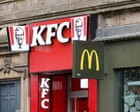
Fast Food Ban Near Schools Gains Parliamentary Support
A comprehensive fast food ban near schools represents one of the most significant public health initiatives being championed by UK lawmakers. The Commons health committee is set to announce sweeping recommendations designed to combat the obesity crisis that currently drains the National Health Service and poses substantial economic burdens to the nation.
The fast food ban near schools proposal marks a turning point in how Parliament addresses dietary-related health issues. Rather than relying solely on voluntary industry compliance, the committee is advocating for legislative measures that would restrict the expansion of chain restaurants and takeaway establishments within designated distances from educational institutions.
Comprehensive Recommendations to Combat Obesity
Beyond the fast food ban near schools initiative, the parliamentary health committee has outlined a multi-faceted strategy addressing several critical areas of food marketing and retail practices. These recommendations reflect growing frustration with the slow pace of change in tackling one of Britain's most pressing health challenges.
Advertising Restrictions and Public Health
The committee is calling for an outright prohibition on junk food advertising displayed on billboards and public transport networks. This measure recognizes that constant exposure to marketing for unhealthy food products significantly influences consumer behavior, particularly among younger demographics who spend substantial time using public transit systems and walking through urban environments.
Current regulations allow extensive promotion of foods high in salt, sugar, and saturated fat across major advertising platforms. The proposed restrictions would create advertising-free zones from unhealthy food promotion, mirroring successful tobacco control campaigns that demonstrated how limiting commercial visibility can shift public consumption patterns.
Supermarket Display Requirements
The parliamentary recommendations include mandatory requirements for supermarkets to position fresh produce prominently throughout their stores. Rather than relegating fruits and vegetables to isolated sections, retailers would be compelled to position these healthier options at store entrances, near checkouts, and throughout shopping aisles where customers naturally congregate.
Evidence from consumer behavior studies shows that prominent product placement significantly increases purchase rates. By ensuring fresh produce occupies prime retail real estate traditionally reserved for processed foods, supermarkets could substantially boost healthy food sales without requiring customers to navigate specially designated sections.
Nutritional Labeling and Consumer Information
Traffic Light Labeling System
All food products should implement front-of-pack traffic light labeling systems that provide immediate visual indicators of nutritional content. This straightforward color-coding approach—using red, amber, and green indicators—enables consumers to make informed dietary choices without requiring extensive label reading or nutritional knowledge.
Several supermarket chains have already voluntarily adopted this system, demonstrating its feasibility and effectiveness. Standardizing this approach across all food manufacturers would ensure consistent consumer understanding and prevent confusion arising from competing labeling schemes.
Transparency in Product Sales Data
The government should establish requirements for food manufacturers to publicly disclose what percentage of their sales revenue derives from healthy versus unhealthy products. This transparency mechanism would incentivize companies to reformulate product portfolios toward healthier options and would provide investors and consumers with crucial information about corporate nutritional practices.
Economic Impact and Government Action
Obesity-related illnesses cost the United Kingdom approximately £74 billion annually when accounting for direct healthcare expenditures, lost productivity, and broader economic impacts. This staggering figure underscores the urgent need for decisive governmental intervention rather than continued reliance on voluntary industry initiatives.
The parliamentary committee has criticized government officials for insufficient resistance to food industry lobbying efforts. Industry representatives consistently advocate for delays in implementing health measures, arguing that businesses require extended transition periods for compliance. The committee argues that such delays disproportionately extend the period during which unhealthy food marketing and availability continue harming public health.
Government Must Show Stronger Leadership
MPs are urging ministers to demonstrate increased courage in confronting industry opposition and prioritizing public health over commercial interests. Government officials must be prepared to implement measures despite inevitable pushback from food manufacturers and retail chains that profit from current practices.
The government has already announced intentions to compel food manufacturers to track and report their healthy and unhealthy product sales percentages. However, implementing this previously announced policy has stalled, suggesting that stronger ministerial commitment is necessary to overcome industry resistance and achieve actual legislative progress.
These comprehensive recommendations from the Commons health committee reflect a recognition that voluntary industry cooperation has failed to meaningfully address Britain's obesity epidemic. Only through legislative action establishing clear restrictions on fast food outlets near schools, advertising prohibitions on junk food, and mandatory transparency measures can government effectively protect public health and reduce the enormous burden obesity places on the healthcare system and national economy.