
Poland Braces for Uncertain Months Amid Escalating Russian Threat
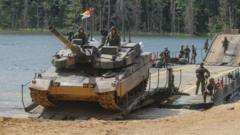
Poland Faces Critical Period as Russian Tensions Rise
Poland's leadership has issued a stark warning about the challenging months that lie ahead, with the nation preparing for various contingencies in response to the Russian threat facing Eastern Europe. Prime Minister Donald Tusk has emphasized the necessity of comprehensive preparedness as the country navigates an increasingly volatile security environment.
Government Responds to Intelligence Reports
Media outlets have reported on intelligence suggesting planned Russian operations, prompting Warsaw to accelerate its defensive posture. The Russian threat has become a central concern for Polish policymakers, who are coordinating across government agencies to ensure the nation is ready for multiple potential scenarios. Tusk's statements reflect a measured but serious assessment of the current geopolitical landscape.
Preparing for Multiple Contingencies
Polish authorities have indicated they are developing response strategies for various possible developments rather than focusing on a single threat scenario. This multifaceted approach acknowledges the complexity of the security environment in Eastern Europe, where the Russian threat continues to evolve. Officials have stressed that preparation spans military readiness, civilian protection, and infrastructure resilience.
Strengthening National Defense Capabilities
The warnings from Poland's leadership underscore ongoing efforts to strengthen the nation's defense infrastructure and military capabilities. Resources are being directed toward modernization of armed forces and enhancement of border security measures. The Russian threat has accelerated these initiatives, with Poland seeking to position itself as a robust defender of its territorial integrity and sovereignty.
Regional Security Implications
Poland's concerns about the Russian threat extend beyond its own borders, reflecting broader anxieties throughout Eastern Europe regarding regional stability. NATO allies have been engaged in discussions about coordinated responses and mutual defense commitments. The situation highlights the strategic importance of Poland's position within the alliance and its role in maintaining balance in the region.
Economic and Social Considerations
Beyond military preparedness, officials recognize that extended periods of heightened alert carry economic and social implications. The Russian threat necessitates careful management of public information and maintenance of social cohesion while avoiding unnecessary panic. Poland is balancing transparency about security challenges with responsible communication that maintains confidence in government institutions.
International Coordination Efforts
Poland is actively engaging with Western allies to ensure coordinated responses to emerging threats. Intelligence sharing and joint planning have intensified as the Russian threat is assessed by multiple security services. These collaborative efforts aim to provide more comprehensive understanding of potential risks and appropriate countermeasures.
Long-term Strategic Outlook
Prime Minister Tusk's warnings suggest that Polish planners are preparing for an extended period of elevated tensions rather than viewing current challenges as temporary. The Russian threat is being integrated into long-term strategic planning, with investments in capabilities expected to persist. Officials indicate this represents a fundamental shift in how Poland approaches its security architecture moving forward.