
Port of Rotterdam Faces Growing Pressure to Accelerate Green Transition
Legal Challenge Intensifies Environmental Demands at Port of Rotterdam
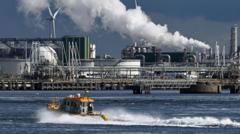
Europe's most significant maritime hub, the Port of Rotterdam, confronts intensifying legal challenges demanding accelerated progress toward its green transition. A formal lawsuit has been filed against the port authority, insisting on faster implementation of measures designed to reduce reliance on fossil fuel-dependent operations and corporate partnerships.
The Port of Rotterdam, which processes millions of containers annually and serves as a critical infrastructure point for Northern Europe's economy, has become the focal point of environmental activism. The legal action represents a broader global trend where communities and advocacy groups are utilizing courts to enforce stricter sustainability standards on major industrial operations.
Understanding the Environmental Concerns
The lawsuit against the Port of Rotterdam stems from widespread concerns about the port's continued involvement with fossil fuel industries. Despite increasing global awareness regarding climate change impacts, Europe's largest port has maintained substantial business relationships with oil and gas companies, drawing criticism from environmental organizations and concerned citizens.
The Port of Rotterdam's current operational model heavily depends on revenue streams connected to petroleum product handling, liquefied natural gas terminals, and chemical processing facilities. These activities generate significant carbon emissions and environmental contamination risks. The legal challenge questions whether the port authority has adequately prioritized ecological protection over financial considerations derived from hydrocarbon-related operations.
The Port of Rotterdam's Current Sustainability Initiatives
The Port of Rotterdam has implemented certain environmental programs, including investments in shore power infrastructure allowing vessels to connect to electrical grids while docked, reducing onboard engine emissions. Additionally, the port has developed renewable energy projects and committed resources toward hydrogen technology research and development.
However, critics argue these initiatives remain insufficient given the scale of the Port of Rotterdam's environmental footprint. The lawsuit contends that genuinely transitioning away from fossil fuel dependence requires more ambitious timelines, comprehensive infrastructure overhauls, and definitive commitments to phase out petrochemical operations entirely.
European Regulatory Pressures and Standards
The Port of Rotterdam operates within an increasingly stringent European regulatory environment. The European Union has established ambitious climate goals, including achieving net-zero emissions by 2050 and reducing greenhouse gases by fifty-five percent by 2030. These targets directly impact port operations, vessel standards, and supply chain emissions.
Maritime regulations continue evolving to restrict bunker fuel specifications, mandate emissions monitoring systems, and require shipping companies to implement efficiency improvements. The Port of Rotterdam must adapt infrastructure and policies to accommodate these changing legal requirements while maintaining competitiveness with other international ports.
Economic Implications and Strategic Considerations
The Port of Rotterdam's transition away from fossil fuel industries presents complex economic challenges. The port generates substantial employment through logistics, petrochemical processing, and energy-related services. Rapid industrial transformation could disrupt thousands of jobs unless comprehensive economic restructuring accompanies the green transition.
Port management must balance environmental imperatives with economic stability. Stakeholders including shipping companies, logistics firms, chemical producers, and worker unions have varying interests in how quickly the Port of Rotterdam modifies its business model. The lawsuit forces these competing interests into the public discourse and legal arena.
Future Prospects for Port of Rotterdam's Environmental Evolution
The legal challenge represents a critical juncture for the Port of Rotterdam's strategic direction. Outcomes may establish precedents affecting other European ports facing similar environmental criticism. Successful enforcement of accelerated sustainability requirements could reshape how maritime infrastructure operators balance commercial interests with ecological responsibility.
The Port of Rotterdam's response to this lawsuit will significantly influence its reputation, regulatory compliance status, and long-term viability. European ports investing proactively in green technologies and renewable energy infrastructure may gain competitive advantages as environmental standards become increasingly stringent and stakeholder expectations evolve. The Port of Rotterdam's decision-making process will demonstrate whether Europe's largest port can transition successfully while maintaining economic relevance in a transforming global maritime industry.