
Portable Air Conditioning Devices: Exposing the 'Cool in 90 Seconds' Deception
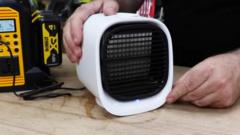
The Rising Trend of Misleading Portable Air Conditioning Devices
Portable air conditioning devices have become increasingly popular among consumers searching for quick cooling solutions, yet many of these products rely on deceptive marketing practices that fail to deliver promised results. Recent investigations highlight how portable air conditioning devices marketed with claims like 'cool in 90 seconds' are fundamentally misrepresenting their capabilities to unsuspecting buyers worldwide.
The advertising landscape has been flooded with promotional content showcasing compact cooling units that purportedly deliver rapid temperature reduction within minutes. These marketing campaigns target heat-weary consumers during summer months, promising relief through innovative technology that simply does not perform as advertised.
What the Advertising Standards Authority Discovered
The Advertising Standards Authority (ASA) has taken a firm stance against manufacturers and retailers promoting portable air conditioning devices with exaggerated performance claims. Their investigation determined that advertisements claiming small devices can rapidly cool entire rooms were fundamentally false and misleading to the general public.
The ASA's findings expose a systematic pattern where companies have been making unsubstantiated claims about cooling capacity and speed. These misleading cooling claims often appear across digital platforms, social media channels, and e-commerce websites, reaching millions of potential customers daily. The regulatory body concluded that such marketing practices violate established advertising standards and consumer protection guidelines.
How Fake Cooling Devices Deceive Consumers
The deception surrounding fake cooling devices operates on multiple levels. Manufacturers use impressive technical terminology, showcase testimonial videos, and employ strategic imagery to create an illusion of efficacy. Many advertisements feature before-and-after scenarios that misrepresent actual room temperature changes achievable through portable air conditioning devices.
Social media platforms have amplified the spread of these misleading messages exponentially. Influencers and content creators, sometimes unknowingly, promote rapid room cooling products without conducting independent verification of performance claims. This viral marketing approach has created a false consensus that these devices work as advertised, when in reality, their cooling capabilities fall significantly short.
The Technical Reality Behind Portable Cooling Units
Unlike traditional air conditioning systems that remove heat from rooms through refrigeration cycles, many compact portable air conditioning devices operate on evaporative cooling principles with severely limited effectiveness. These units work best in specific humidity conditions and cannot deliver the rapid temperature drops promised in advertisements.
The physics of room cooling requires substantial energy transfer and air circulation. A device claiming to cool an entire room in 90 seconds defies basic thermodynamic principles. Legitimate portable air conditioning devices operate at significantly lower power outputs than window or central systems, restricting their practical cooling range substantially.
Impact on Consumer Trust and Market Dynamics
The proliferation of misleading cooling claims has eroded consumer confidence in the entire portable air conditioning devices market. Legitimate manufacturers of quality cooling products face reputation damage as buyers become increasingly skeptical of performance guarantees across the industry.
Many consumers have reported purchasing portable air conditioning devices based on viral advertisements, only to experience disappointing results. Refund requests, negative reviews, and social media complaints have created a backlash against unscrupulous sellers promoting fake cooling devices without scientific basis.
Regulatory Response and Consumer Protection
The ASA's intervention represents an important step toward protecting consumers from deceptive marketing practices. The authority has issued guidelines requiring manufacturers to substantiate cooling performance claims with independent testing data. Any portable air conditioning devices advertisement must now include realistic performance expectations backed by scientific evidence.
Consumer protection agencies across multiple jurisdictions have launched investigations into companies selling rapid room cooling products. These regulatory efforts aim to establish clearer labeling standards and mandatory disclosures about actual cooling capacity, energy consumption, and realistic cooling timeframes.
Choosing Legitimate Cooling Solutions
Consumers seeking portable air conditioning devices should prioritize products backed by genuine technical specifications and transparent manufacturer information. Independent reviews from credible sources provide more reliable assessments than viral advertisements or influencer endorsements.
When evaluating portable air conditioning devices, examine actual power consumption ratings, cooling capacity measurements in BTU (British Thermal Units), and realistic timeframes for temperature reduction. Products claiming extreme performance with minimal energy input warrant immediate skepticism and further investigation before purchase.
The lessons from the 'cool in 90 seconds' campaign emphasize the importance of critical evaluation when encountering sensational product claims online. Consumer awareness and regulatory oversight remain essential tools for combating misleading cooling device advertisements and protecting market integrity.