
Strait Shipping Talks Progress as Iran Cautions on Access Deal
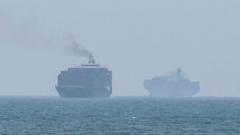
Hormuz Strait Negotiations Show Cautious Optimism
Recent diplomatic discussions regarding the Hormuz strait negotiations have generated measured enthusiasm from participating nations, though fundamental disagreements persist over the scope and implications of any potential accord. Officials from Oman have publicly expressed confidence in the trajectory of ongoing talks aimed at establishing a new maritime shipping corridor through one of the world's most strategically vital waterways.
The Hormuz strait negotiations represent a critical effort to stabilize international commerce in a region where approximately one-third of global seaborne oil trade transits annually. Both negotiating parties have acknowledged incremental progress in preliminary discussions, signaling a willingness to explore frameworks that could facilitate safer passage for merchant vessels navigating these contested waters.
Iran's Position on Strait Access Remains Firm
Despite the optimistic rhetoric emerging from diplomatic channels, Iran has issued a cautionary statement regarding the limitations of any potential agreement. Iranian officials have explicitly warned that even if negotiations succeed in producing a formal deal, such an arrangement would not necessarily guarantee unfettered access through the Hormuz strait for international shipping.
This declaration reflects Tehran's broader strategic interests in maintaining leverage over maritime traffic passing through waters it considers within its sphere of influence. The Iranian position underscores the complexity of achieving a comprehensive accord that would satisfy the commercial interests of global maritime stakeholders while addressing regional security concerns and sovereignty claims.
Oman's Role as Diplomatic Intermediary
Oman has positioned itself as a constructive intermediary in these maritime negotiations, emphasizing the mutual benefits that could arise from establishing agreed-upon shipping protocols. Omani officials have been instrumental in maintaining dialogue between parties with historically strained relations, leveraging their nation's geographic position and diplomatic credibility.
The sultanate's engagement reflects broader regional interests in promoting stability and economic opportunity. As a neighboring state dependent on maritime commerce through the Hormuz strait, Oman recognizes the significant advantages that would accrue from successfully negotiating a new shipping route framework.
Outstanding Questions About Implementation
While diplomatic progress is evident, substantial uncertainty remains regarding implementation mechanisms and enforcement protocols. Key unresolved issues include verification procedures, dispute resolution mechanisms, and guarantees regarding consistent access to newly designated shipping corridors.
Negotiators must address questions about which nations would monitor compliance, how violations would be handled, and what recourse would exist for shipping companies experiencing disruptions. These technical dimensions remain subjects of intense debate among the parties involved in Hormuz strait negotiations.
Global Maritime Commerce Stakes
The significance of reaching an agreement cannot be overstated, given the volume of petroleum products and goods transiting the Hormuz strait daily. International maritime organizations, major shipping companies, and oil-producing nations worldwide are monitoring these discussions with considerable attention.
Disruptions or uncertainties in this crucial shipping corridor directly impact energy prices, insurance costs, and supply chain reliability across global markets. Success in establishing a new shipping route would potentially reduce maritime risks and provide greater predictability for commercial operators.
Path Forward Remains Uncertain
Despite positive signals from multiple sides, negotiators acknowledge that bridging remaining differences will require substantial additional effort. The scope of any eventual accord remains undefined, as does the timeline for achieving comprehensive agreement.
Both parties have indicated commitment to continued dialogue, though breakthrough announcements have not materialized. The Hormuz strait negotiations continue at a deliberate pace, with each side carefully calibrating its positions to maximize advantages while maintaining diplomatic channels open.
International observers suggest that while the current trajectory appears constructive, transforming preliminary agreements into binding commitments acceptable to all stakeholders represents a formidable challenge requiring sustained diplomatic engagement and creative problem-solving from negotiating teams.