
Trump Abandons Hormuz Tariff Plan While US Intensifies Iran Port Blockade Strategy
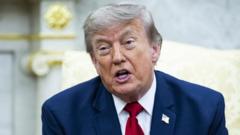
Trump Reverses Hormuz Toll Threat Amid Escalating Iran Port Blockade
In a significant policy reversal, President Trump has withdrawn a contentious proposal to impose a 20% fee on commercial vessels transiting the Strait of Hormuz, a decision announced less than 24 hours after the initial announcement. The reversal comes as the United States intensifies its Iran port blockade operations, maintaining pressure on Tehran's maritime commerce through alternative enforcement mechanisms rather than direct cargo taxation.
The withdrawal of the toll scheme represents a strategic recalibration in the administration's approach to controlling one of the world's most critical shipping routes. Officials indicated that the decision reflects broader considerations regarding international maritime law and potential pushback from allied nations dependent on Hormuz transit for energy supplies and trade operations.
Context of the Original Hormuz Proposal
The initial announcement regarding the Hormuz Strait tariff structure had generated immediate controversy among global trading partners and shipping industry representatives. The proposal would have required vessels to pay compensation for US naval protection services within the waterway, establishing a new revenue mechanism tied to maritime security operations in the region.
Industry analysts noted that such a charge structure could have disrupted established shipping patterns and increased costs for international commerce. Energy-dependent nations, particularly those in Europe and Asia relying on Persian Gulf oil and liquefied natural gas, expressed concerns about the tariff's potential economic impacts.
Continuation of US Iran Port Blockade Operations
Despite abandoning the tariff initiative, the United States has not reduced its commitment to restricting Iranian maritime activities through the Iran port blockade framework. American naval forces continue surveillance and enforcement operations designed to prevent Iranian shipping from accessing international markets and evading existing sanctions regimes.
The blockade strategy encompasses multiple enforcement layers, including intercepting vessels suspected of transporting sanctioned Iranian cargo, monitoring financial transactions related to Iranian maritime commerce, and coordinating with international partners to restrict access to port facilities. These operational measures represent the core mechanism through which Washington maintains economic pressure on Tehran's petroleum and petrochemical export industries.
Strategic Implications for US Iran Sanctions
The reversal demonstrates the complexity of implementing Trump Iran sanctions policies while maintaining international support for broader containment objectives. The withdrawal suggests that policymakers concluded that a unilateral taxation scheme could have undermined coalition building essential for sustained sanctions enforcement.
Maritime security specialists note that the decision prioritizes sanctions coherence over revenue generation, indicating that the administration views economic restriction of Iranian commerce as more achievable through established blockade mechanisms than through new toll structures that could invite legal challenges or diplomatic opposition.
Broader US Maritime Strategy Evolution
The Hormuz decision reflects evolving considerations within the administration regarding US maritime strategy in the Persian Gulf region. Rather than expanding revenue mechanisms, the approach focuses on consolidating existing naval presence and enforcement capabilities that directly restrict Iranian access to international shipping routes and port networks.
Defense officials emphasized that maintaining freedom of navigation for non-Iranian vessels remains a central objective, distinguishing the blockade approach from broader restrictions that could impede global commerce. This distinction proves essential for maintaining support from major trading nations and allied governments whose economic interests depend on unobstructed Strait access.
International Responses and Allied Coordination
Response to the policy reversal from international partners has been measured, with some governments expressing relief that the tariff structure was abandoned. Allied nations indicated that while supporting sanctions against Iran, direct tolling mechanisms presented implementation and equity complications that could have fragmented coalition efforts.
Diplomatic channels suggest that continued coordination on the Strait of Hormuz shipping restrictions will proceed through established multilateral frameworks, avoiding the complications that unilateral tariff systems would have introduced. This approach preserves flexibility for allied nations to support sanctions enforcement while managing their own maritime commerce requirements.
Impact on Iran's Maritime Commerce
The continuation of the Iran port blockade ensures that Iranian vessels and cargo face substantial barriers accessing international markets despite the tariff proposal's withdrawal. Shipping industry data indicates that blockade enforcement has already reduced Iranian exports significantly, with major oil and gas shipments increasingly diverted through alternative channels or suspended entirely.
Economic analysts project that sustained blockade pressure will maintain downward pressure on Iranian government revenues derived from petroleum exports, achieving the administration's economic containment objectives without the complications inherent in implementing the proposed Hormuz tariff structure.
Future Directions for Hormuz Regional Security
Looking forward, US officials indicate that maritime security initiatives in the Hormuz region will emphasize enhanced surveillance capabilities, expanded naval presence, and strengthened partnerships with regional allies rather than new revenue mechanisms. This approach aims to ensure continued enforcement of the Iran port blockade while preserving the broader coalition necessary for sustained sanctions effectiveness.
The reversal of the toll proposal demonstrates that US maritime strategy in the Persian Gulf continues evolving as policymakers balance multiple objectives: restricting Iranian commerce, maintaining international commerce flow, and preserving diplomatic coherence among allied partners. As these regional dynamics continue developing, the emphasis remains on blockade enforcement mechanisms rather than taxation approaches to achieve containment objectives.