
Trump Denies US Weapons Shortage Amid Supply Concerns
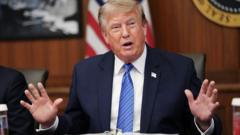
Trump Addresses Weapons Supply Concerns
Former President Donald Trump has publicly dismissed assertions regarding a US weapons shortage, countering widespread speculation about the nation's defense capabilities. Trump's statement comes amid ongoing discussions about the availability and production of specialized military equipment that requires extensive manufacturing processes.
Crackdown on Information Leaks
In conjunction with his denial of a US weapons shortage, Trump announced intensified efforts to identify and pursue individuals responsible for unauthorized disclosure of sensitive defense-related information. The former president characterized those involved in leaking classified materials as subjects of an active search operation, emphasizing the seriousness with which his administration would treat such breaches of national security protocols.
Understanding Classified Defense Data
While comprehensive statistics regarding US military arsenals remain classified for security reasons, analysts and defense experts have access to certain publicly disclosed information. This available data indicates that throughout recent military operations and international engagements, the United States has depleted substantial quantities of weapons systems that demand sophisticated and time-intensive manufacturing capabilities.
The Challenge of Advanced Weapons Production
Manufacturing modern defense systems presents significant logistical and technical challenges. Many critical weapons platforms require specialized facilities, trained personnel, and rare materials to produce. The production timelines for these systems often extend over months or even years, making rapid replenishment difficult when supplies are depleted through sustained operations or extended deployments.
Strategic Implications of Supply Limitations
The discussion surrounding potential shortages of advanced weaponry carries important implications for United States military readiness and strategic planning. Defense analysts have noted that certain categories of weapons, particularly those involving cutting-edge technology or complex manufacturing processes, present particular challenges when demand exceeds current production capacity.
National Security and Information Protection
The Trump administration's stated commitment to investigating leakers reflects broader concerns across government agencies about protecting sensitive national defense information. Unauthorized disclosures of classified materials can compromise military operations, reveal tactical capabilities to adversaries, and undermine strategic advantages developed through substantial investment and research efforts.
Public Statements and Defense Policy
Trump's public remarks regarding the US weapons shortage represent one perspective within broader debates among military leaders, defense officials, and policymakers about the nation's current defense posture. These discussions increasingly focus on balancing transparency with national security interests, particularly when sensitive information regarding weapons availability and manufacturing capabilities enters public discourse.
Moving Forward
As discussions continue regarding defense readiness and weapons supply, the tension between public accountability and classified information protection remains central to national security policy. The pursuit of those responsible for information breaches suggests a priority on securing classified materials and ensuring that sensitive defense data remains protected from unauthorized release.