
US Treasury Chief Warns Iran of Unprecedented Financial Isolation Strategy
Understanding Iran's Financial Isolation Strategy
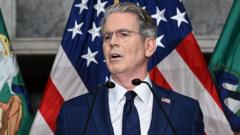
The United States Treasury Department has announced a sweeping economic campaign against Iran, marking what officials describe as an unprecedented financial isolation effort. Scott Bessent, serving as the nation's top Treasury official, unveiled plans to comprehensively sever all economic connections with the Islamic Republic, fundamentally reshaping the financial landscape for one of the Middle East's most significant economies.
This declaration represents a critical escalation in US economic policy toward Tehran, signaling an intensified approach to restricting the country's access to international financial systems and markets. The Iranian financial isolation strategy extends beyond direct bilateral relations, creating ripple effects throughout the global economy.
Comprehensive Economic Sanctions Framework
Scott Bessent made clear that the administration intends to disconnect all economic ties with Iran through a multifaceted sanctions regime. This approach targets not only direct trade and investment but also the intricate web of financial transactions that sustain Iran's economy in an increasingly interconnected world.
The Treasury Secretary emphasized that financial institutions, corporations, and governments engaging in economic partnerships with Iran will face severe consequences. These consequences include potential isolation from the US financial system, restrictions on dollar transactions, and exclusion from international banking networks that form the backbone of global commerce.
International Pressure on Iran's Trading Partners
A particularly significant aspect of this financial isolation plan involves targeting third-party nations and entities. Any country or organization that maintains substantial financial relationships with Iran faces the prospect of economic isolation from American markets and institutions. This creates a powerful incentive for nations worldwide to reassess their commercial relationships with Tehran.
The strategy represents an attempt to create a comprehensive financial cordon around Iran, limiting its ability to conduct international trade, access capital markets, and participate in cross-border financial transactions. By pressuring allies and partners to choose between economic engagement with Iran or access to American markets, the policy aims to maximize economic impact.
Impact on International Trade
The implementation of such comprehensive sanctions typically disrupts supply chains, restricts access to essential goods, and creates significant economic hardship. Nations that have previously maintained balanced economic relationships with Iran must now navigate the complex choice between maintaining those connections or preserving their access to the broader American economic system.
Scope of Financial Restrictions
The Treasury Department's announcement indicates that sanctions will touch virtually every sector of Iran's economy. From oil and gas exports to banking, telecommunications, and manufacturing, American policy aims to constrict economic opportunities available to Iranian businesses and government entities.
The financial isolation campaign specifically targets Iran's ability to generate foreign currency through export revenues, access international credit markets, and attract foreign investment. These restrictions fundamentally challenge Iran's economic sustainability and growth prospects in an increasingly competitive global marketplace.
Global Economic Implications
The severity of the proposed financial offensive creates substantial ripples throughout international commerce. Companies with global operations must ensure strict compliance with expanding sanctions regulations or risk devastating penalties, including fines and exclusion from US banking systems.
For Iran specifically, the financial isolation strategy threatens to deepen economic challenges already present in the country's struggling economy. Limited access to international markets, restricted oil exports, and banking isolation combine to create significant inflationary pressures and currency instability.
Impact on Iran's Business Environment
Iranian companies seeking to participate in global trade face unprecedented obstacles. The Iranian financial isolation program makes it extraordinarily difficult for legitimate businesses to access financing, arrange international transactions, or maintain relationships with global supply chain partners.
Diplomatic and Strategic Considerations
The Treasury Secretary's announcement reflects a broader strategic approach to addressing perceived threats emanating from Iran's regional activities and nuclear program. By imposing comprehensive financial restrictions, US policymakers hope to constrain resources available for activities they consider destabilizing or threatening to international security.
The strategy assumes that sufficiently severe economic pressure will either force policy changes or significantly degrade Iran's capacity to project influence throughout the Middle East. However, historical precedent suggests that comprehensive sanctions regimes often produce complex and sometimes unexpected political and social consequences.
Future Outlook and Enforcement
Implementation of this comprehensive financial isolation framework will require sustained coordination across government agencies, ongoing monitoring of international financial flows, and consistent enforcement against violations. The Treasury Department will likely expand its Office of Foreign Assets Control (OFAC) operations to manage the expanded sanctions regime.
Moving forward, the administration appears committed to maintaining and potentially intensifying pressure on Iran's economy, positioning financial isolation as a central element of its foreign policy strategy toward the Islamic Republic. The long-term implications of this approach remain subject to ongoing diplomatic, economic, and geopolitical developments.