
Why Critical Tech Infrastructure Struggles With Extreme Heat
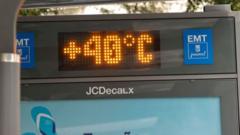
Understanding Heat Vulnerability in Critical Technology
Heat vulnerability technology represents one of the most pressing infrastructure challenges facing modern societies. Energy grids, transportation networks, and essential digital systems face increasing threats from extreme temperature fluctuations, particularly during peak summer months when demand for cooling surges alongside rising atmospheric temperatures.
The intersection of climate change and technological infrastructure has created a complex vulnerability landscape. Many facilities operating critical technology were designed decades ago, when heat projections were significantly lower than contemporary conditions. This technological infrastructure mismatch leaves vital services exposed to operational failures when temperatures exceed design specifications.
Energy Grid Vulnerabilities to Extreme Heat
Power distribution networks represent perhaps the most critical systems affected by high temperatures. Electrical transmission lines experience reduced efficiency as heat increases resistance in copper and aluminum conductors. Transformers, which regulate voltage across distribution networks, contain cooling oils that become less effective during extreme heat events. When substations overheat, automatic protection systems may trigger outages to prevent permanent equipment damage.
Renewable energy sources like solar and wind farms also experience efficiency drops during peak heat periods. Solar panels generate less electricity at higher temperatures, while wind patterns change during heat waves, reducing output from wind turbines. This paradoxical situation—when cooling demand peaks, clean energy production often declines—creates significant strain on backup power systems and conventional generation facilities.
Railway and Transportation System Challenges
Train services depend on complex infrastructure vulnerable to temperature extremes. Steel railway tracks expand under intense heat, potentially buckling and creating dangerous track deformations. Signaling systems, electrical overhead lines, and switching mechanisms all contain components designed for specific temperature ranges. When ambient conditions exceed these thresholds, mechanical failures multiply across entire rail networks.
Maintenance of train services becomes increasingly difficult during heat waves when repairs become dangerous for workers and when cooling systems for railway vehicles strain under extreme demand. Rolling stock air conditioning systems reach maximum capacity, sometimes resulting in passenger discomfort and service interruptions. Control rooms managing traffic operations also require specialized cooling to maintain equipment functionality and worker safety.
Digital Infrastructure and Data Center Risks
Data centers housing internet infrastructure, financial systems, and cloud services require continuous cooling. Servers generate substantial heat during normal operations, and cooling systems must work overtime during external heat waves. Water-cooled systems become less efficient when ambient temperatures rise, while air-cooling systems consume enormous quantities of electricity. Some facilities have faced mandatory power reductions during peak demand periods, potentially affecting service availability.
Systemic Economic and Safety Impacts
The cascading effects of heat-related infrastructure failures create widespread economic disruption. Manufacturing operations dependent on stable power supplies may halt production. Transportation delays cascade through supply chains. Communications infrastructure outages impact emergency services, financial transactions, and public safety systems. Hospitals and healthcare facilities experience critical pressure when backup generators struggle under peak loads.
Building Resilience Against Heat Vulnerability Technology
Addressing heat vulnerability technology requires comprehensive modernization strategies. Upgrading electrical components to heat-resistant alternatives represents significant capital investment but proves essential for long-term infrastructure survival. Implementing distributed energy systems, improving insulation, installing advanced cooling systems, and redesigning critical facilities for higher temperature thresholds all contribute to enhanced resilience.
Grid operators increasingly employ demand management strategies, load balancing, and real-time monitoring systems to prevent cascading failures. Investment in smart grid technology allows dynamic response to heat-induced stress. Similarly, transportation authorities are implementing cooled waiting areas, temporary track maintenance protocols, and enhanced monitoring systems to maintain service reliability during extreme heat events.
Climate Adaptation as an Ongoing Priority
As climate projections suggest more frequent and intense heat events, infrastructure adaptation becomes not merely advisable but essential. Governments, utilities, and private operators must coordinate investment in modernization while considering future climate scenarios. The cost of proactive adaptation pales compared to expenses from infrastructure failures affecting millions of people and critical economic sectors.
The relationship between extreme heat and technology vulnerability will define infrastructure challenges for decades ahead. Meeting this challenge requires sustained commitment to modernization, innovative engineering solutions, and climate-informed planning across all critical infrastructure sectors.