
Why Electric Vehicle Insurance Costs More
The Growing Challenge of Electric Vehicle Insurance Expenses
Electric vehicle insurance costs represent a significant barrier for prospective purchasers considering the switch from traditional gasoline-powered automobiles. The premium differences between EVs and conventional vehicles have become a critical consideration in the overall ownership expenses of electric vehicles, often offsetting some of the long-term savings these cars promise.
Understanding Why Electric Vehicle Insurance Costs Exceed Standard Rates
Several interconnected factors contribute to the elevated insurance premiums associated with electric vehicle ownership. The replacement and repair expenses for battery systems constitute a primary driver of these increased electric vehicle insurance costs. Unlike conventional engines, damaged EV batteries require specialized replacement procedures and components that remain significantly more expensive than their traditional counterparts.
Repair complexity represents another substantial element influencing premium calculations. Electric vehicles incorporate sophisticated electrical systems and computer-controlled components that demand specialized training and equipment for technicians. Insurance providers account for these higher labor costs and technical expertise requirements when determining rates for electric vehicle coverage.
Limited repair facility availability further complicates the insurance landscape. Fewer certified repair centers can service electric vehicles compared to conventional cars, restricting consumer options and potentially increasing service costs. This scarcity directly impacts how insurers evaluate risk and establish pricing structures for electric vehicle insurance policies.
The Safety Paradox in EV Insurance Pricing
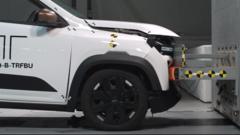
Paradoxically, electric vehicles demonstrate superior safety performance metrics compared to traditional automobiles. However, insurance companies remain cautious due to limited historical accident and claims data. The relative newness of mass-market EV adoption means insurers possess fewer comprehensive datasets to predict claim frequencies accurately. This uncertainty translates into conservative pricing strategies that favor higher premiums across the board.
Initiatives Addressing Higher Insurance Premiums
Industry stakeholders have recognized the necessity of addressing electric vehicle insurance costs as a means to accelerate market adoption. Several promising approaches are gaining traction across the insurance and automotive sectors.
Expansion of Certified Repair Networks
Manufacturers and insurance providers are collaborating to expand networks of qualified repair facilities specializing in electric vehicle maintenance. Increased competition among repair centers should theoretically drive service costs downward, subsequently reducing insurance premiums as repair expenses stabilize and become more predictable.
Improved Data Collection and Analysis
As EV fleets accumulate more miles on roads worldwide, insurance companies gather increasingly comprehensive accident and claims data. This expanding information base enables more accurate risk assessment and refined pricing models that reflect actual electric vehicle performance rather than theoretical assumptions.
Battery Technology Advancements
Ongoing improvements in battery durability and damage resistance promise to reduce repair costs substantially. Manufacturers are developing batteries with enhanced structural integrity and simpler replacement procedures, directly addressing one of the primary cost drivers for electric vehicle insurance premiums.
Looking Forward: Solutions on the Horizon
The convergence of technological improvements, expanded repair infrastructure, and growing market data suggests electric vehicle insurance costs will gradually decline. Insurers increasingly recognize that competitive pricing attracts more EV buyers, creating a virtuous cycle where higher adoption rates generate better data quality and more refined premium calculations.
Consumer advocacy groups continue pressuring regulators to establish frameworks ensuring fair assessment of electric vehicles' lower accident risk profiles. These regulatory efforts may eventually force insurance companies to adjust their pricing methodologies, reflecting actual safety advantages rather than speculation-based premiums.