
Trump Reduces US Military Exercises with South Korea Following Iran Conflict Stance
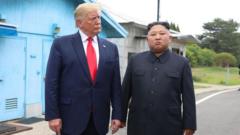
Trump Administration Scales Back Military Drills with South Korea
The Trump administration announced plans to reduce the scope of military drills with South Korea, marking a significant shift in defense strategy on the Korean peninsula. The decision to scale back military drills reflects broader diplomatic considerations and the administration's approach toward North Korea. According to officials, this reduction in military exercises comes as part of a comprehensive review of America's military commitments in the region.
President's Reasoning Behind the Military Drills Reduction
President Trump attributed the decision to reduce military drills with South Korea to his established personal relationship with North Korean leader Kim Jong Un. The president emphasized the positive nature of communications with Pyongyang, suggesting that maintaining lower-profile military activities could facilitate ongoing diplomatic engagement. Trump's statement highlighted his belief that extensive joint military drills with South Korea could potentially undermine the delicate diplomatic balance he has cultivated with North Korea's leadership.
Diplomatic Relations with North Korea
Trump pointed to what he characterized as his "very good relationship" with North Korea's leader when explaining the rationale for downsizing the exercises. This relationship, established through unprecedented direct negotiations, has become a cornerstone of the administration's Korea policy. The president indicated that the reduction in military drills serves to reinforce this diplomatic channel and demonstrate commitment to peaceful resolution of tensions on the peninsula.
South Korea's Neutral Stance on Iran Conflict
The timing of the announcement coincides with South Korea's decision to maintain a neutral position regarding the broader Iran conflict. Seoul's approach to international tensions involving Iran appears to have influenced Washington's calculation regarding military drills South Korea participation. South Korea's careful balancing act between its alliance obligations with the United States and its independent foreign policy interests played a role in the administration's decision-making process.
Strategic Implications of the Decision
Military analysts suggest that the reduction in military drills represents a notable departure from decades of established defense protocols. The scaling back of these exercises carries implications for regional security arrangements and the broader strategic framework in East Asia. The decision to reduce military drills with South Korea could affect deterrence postures and contingency planning capabilities, though officials maintained that security commitments to the region remain unchanged.
Response from South Korean Government
South Korea's response to the announcement about reducing military drills remains measured. Officials in Seoul acknowledged the decision while emphasizing their commitment to allied defense preparations. The South Korean government indicated it would coordinate closely with Washington regarding implementation of any changes to military drills and joint training schedules. This coordination reflects the importance of maintaining readiness despite adjustments to exercise frequency and scale.
Regional Security Concerns
Defense experts have raised questions about how the reduction in military drills might affect deterrence capabilities on the Korean peninsula. Traditional military drills serve multiple functions, including maintaining interoperability between allied forces, ensuring readiness for contingencies, and demonstrating resolve to potential adversaries. The decision to scale back these activities has prompted discussions about alternative methods for maintaining military preparedness and alliance cohesion.
Trump Administration's Overall Korea Strategy
The announcement fits within the broader Trump administration strategy toward North Korea, which emphasizes direct diplomatic engagement over confrontational posturing. This approach represents a significant departure from previous administrations' policies. The reduction in military drills with South Korea should be understood as one component of a comprehensive strategic shift that prioritizes dialogue and relationship-building with Pyongyang.
Implications for Future Military Cooperation
Moving forward, the scale of military drills with South Korea may remain subject to the overall state of diplomatic relations with North Korea. The Trump administration's willingness to adjust defense postures based on diplomatic considerations suggests a flexible approach to alliance management. How these changes develop will likely depend on continued engagement between Washington and Pyongyang, as well as Seoul's evolving security needs and regional dynamics.