
UK Government Takes British Steel Into Public Ownership
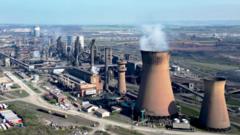
UK Moves to Secure Strategic Steel Production
The United Kingdom has announced a significant intervention in the steel sector through the nationalisation of British Steel, marking a decisive step to preserve essential manufacturing infrastructure. This British Steel nationalisation decision reflects the government's commitment to maintaining critical industrial capabilities that are fundamental to the nation's economic security and long-term prosperity.
Government Justification for the Takeover
According to official statements, the acquisition of British Steel into public hands serves to safeguard what authorities describe as a vital national capability. The government's rationale centres on the strategic importance of domestic steel production for defence, infrastructure development, and manufacturing sectors. By assuming control of British Steel through nationalisation, policymakers aim to ensure continuity of operations and protect thousands of jobs within the industry.
Strategic Importance of Domestic Steel Production
Steel manufacturing represents a cornerstone of any advanced economy's industrial base. The British Steel nationalisation initiative underscores recognition that certain sectors demand government intervention to sustain long-term competitiveness. Domestic steel production capacity supports numerous downstream industries, including automotive manufacturing, construction, railways, and defence systems. Without secured access to reliable domestic steel supplies, these sectors face potential vulnerabilities and increased dependency on international markets.
Economic and Employment Implications
The British Steel nationalisation decision carries substantial implications for employment across the United Kingdom. The steel industry, while smaller than historical proportions, still represents a significant employer in specific regions, particularly in areas with established manufacturing heritage. Government control aims to stabilise the workforce, maintain production facilities, and prevent facility closures that would devastate local communities. This approach demonstrates a shift toward strategic industrial policy intervention rather than purely market-driven outcomes.
International Context and Geopolitical Considerations
The timing of this British Steel nationalisation reflects broader global trends where nations reassess their supply chain vulnerabilities and industrial autonomy. Rising international tensions, trade disruptions, and concerns over strategic material supplies have prompted multiple governments to strengthen domestic production capabilities. The UK's decision aligns with similar moves by other developed nations seeking to reduce dependencies on potentially unreliable international suppliers and maintain control over essential resources.
Challenges and Future Prospects
Managing British Steel as a publicly owned entity presents distinct operational and financial challenges. The industry faces headwinds from environmental regulations, energy costs, and competition from more efficient international producers. However, government ownership provides opportunities for long-term investment planning, environmental upgrades, and alignment with national climate objectives that might be difficult for purely commercial operators to justify. The British Steel nationalisation sets a framework for potentially transforming the industry while protecting essential production capacity.
Broader Industrial Policy Framework
This British Steel nationalisation initiative represents part of a comprehensive reassessment of Britain's industrial strategy. Policymakers increasingly recognise that leaving all strategic manufacturing decisions to market forces alone may not serve national interests adequately. The government's willingness to assume direct control of British Steel signals potential for similar interventions in other critical sectors where national security and economic resilience concerns warrant public involvement. This represents a notable departure from decades of privatisation-focused policies.
The British Steel nationalisation decision ultimately reflects conviction that certain industrial capabilities transcend ordinary commercial considerations and warrant government stewardship. By taking this significant step, UK authorities aim to secure foundational manufacturing capabilities, protect employment, and maintain strategic autonomy in an increasingly complex global economic environment.